The Side View
The Side View is about the knowledge and intuition we use to navigate the world. It’s about how we come to be skillful perceivers and doers, people who know, in the moment, the right details to attend to and the right responsive action to take. In this sense, The Side View is about how the mind meets the world. But it’s also about how the mind, when properly trained, modifies the possibilities of the world it comes to perceive.
Consider the variety of ways the world can appear to different people. The details we notice and find important vary based on our skills, beliefs, and expectations. We participate in making the world available to perception. So what, then, does the world of the expert look like? How, for example, does the architect see space? How does the artist see color and shape? How does the meditator see inner states? How does the athlete see movement?
These and more are the questions The Side View explores. The central idea is that perception of whatever kind is never given without effort. Perception on this view is rather a hard-won achievement, a result of diligent exercise aimed towards a goal; it is itself a kind of practice, a work of attention trained up through effort and repetition. From this perspective, the expert lives in a different world of possibility, operating with a level of detail and discernment gained only through years of training.
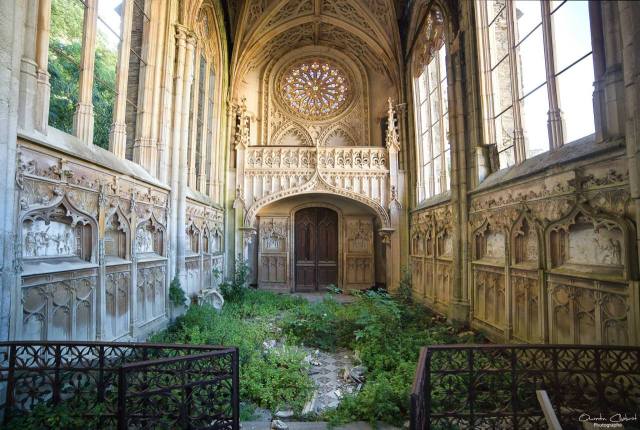
Take the architect as an example. What do they see when they look at space? What guides their decisions as they design and transform our built world? The architect sees with an eye for design that the rest of us do not have, with a capacity for understanding how we might shape the environment and how the environment might shape us. The same can be said of the painter, the contemplative, the psychologist, the carpenter, and the athlete—all have heightened levels of perceptual ability, unique capacities for sense-making cultivated through practice, experience, and learning.
To explore these ideas, The Side View draws from anthropology, philosophy, science, meditation, athletics, art, and more to discover how people understand, and then transform, their worlds. It connects these disciplines through the idea of practice, emphasizing the skills that lead people to become masters of their art in the first place. The ancient Greeks used the word askēsis, meaning exercise or training, to describe this process of personal and collective transformation. The Side View uses this concept to explore the experience and training required to produce great thinkers, creators, and doers in any craft.
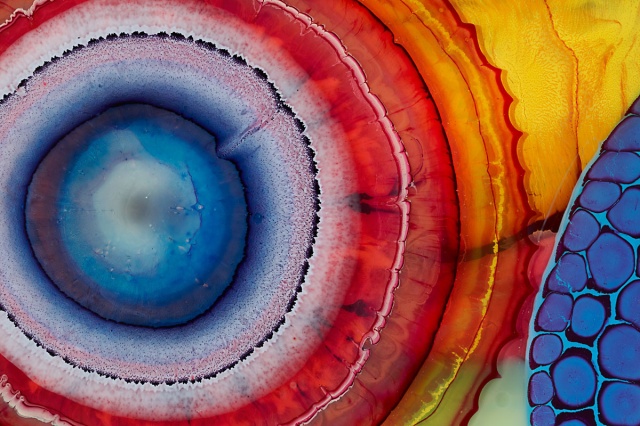 [Image: Bruce Riley]
 Above you’ll find a list of contributors to our first set of essays for The Side View (
 I’m just about ready to wrap up work on one phase of
  Knowledge Ecology