 I’ve heard a few times over the years people associate metacognitive observation (of thoughts, feelings, actions, etc.) with a kind of despair, depression, or alienation, as though this were a good thing, as though the metacognitive insights we associate with philosophy are uniquely delivered by depressed or alienated affect, and that in turn alienation has some unique purchase on developing freedom and autonomy. To be sure, when you’re feeling depressed and alienated one of the unexpected side effects is a kind of metacognitive ability to self-monitor, but it’s not a sustainable way of being in the long run, and it feels more like depersonalization than a healthy developmental attribute. I’m speaking from experience. Continue reading
Month: January 2020
Peter Sloterdijk: Athletics and Anthropotechnics
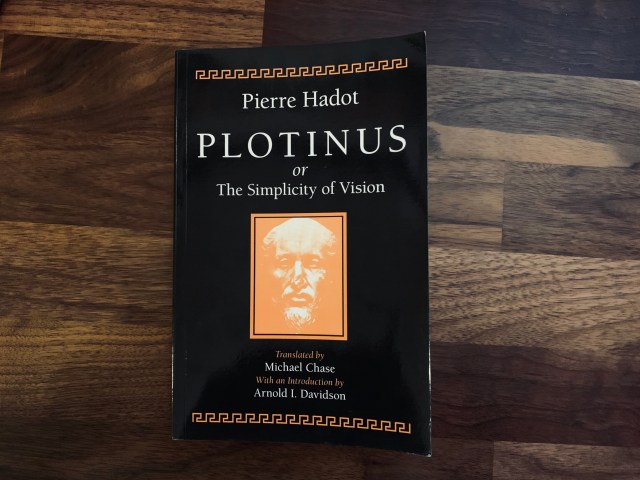
 I’ll leave aside for the moment the larger conversation one could develop around Hadot, Foucault, and Sloterdijk, because doing justice to such a dialogue would require a whole new project unto itself. Instead, I’ll just mark simply—and inadequately—that the nexus of this conversation, in many ways precipitated first by Foucault’s picking up in his later works of a few central themes found in Hadot,[1] and then carried forward by Sloterdijk’s discussion of both his predecessors, centers around askēsis and its meaning. Each figure draws us back to practice in his own way. Continue reading
Perceptual Learning as Intuition-Making
My talk for the ( æthos ) Salon Series: Intuition as Sensemaking event held on November 4. It’s about linking perceptual learning to intuition and in so doing starting to frame an account of the genesis of intuitive abilities, or, as I’m framing it, a process we could call intuition-making. Full notes below.
 Knowledge Ecology